Product Overview & Palletless Workflow
The Automatic Slip Sheet Loader is a stationary, floor-mounted industrial material handling system engineered to transfer unitized loads—including bagged commodities, corrugated cartons, and drums—onto slip sheets for direct loading into ISO shipping containers or transport vehicles.
By eliminating wooden pallets, this automated system reduces tare freight weight, lowers packaging material expenditures, and maximizes internal container volume utilization. Integrated directly into end-of-line packaging and palletizing systems, the machine receives unit loads from roller or chain conveyors, securely clamps the slip sheet tab, and executes a synchronized, linear push-pull transfer sequence onto the container floor or outgoing vehicle deck, ensuring consistent placement without operator-dependent alignment errors.
-
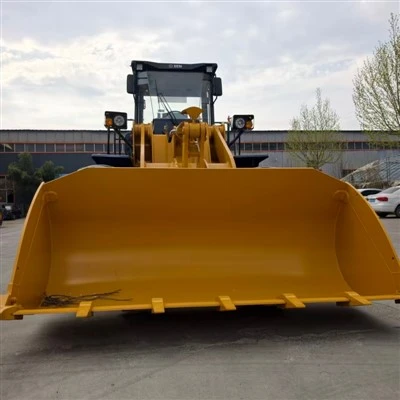
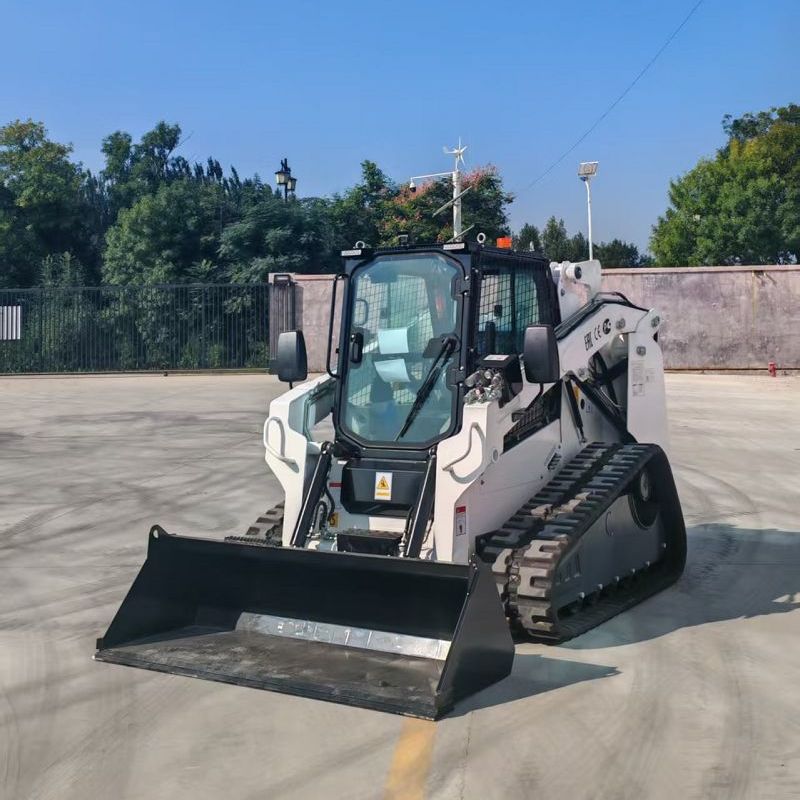
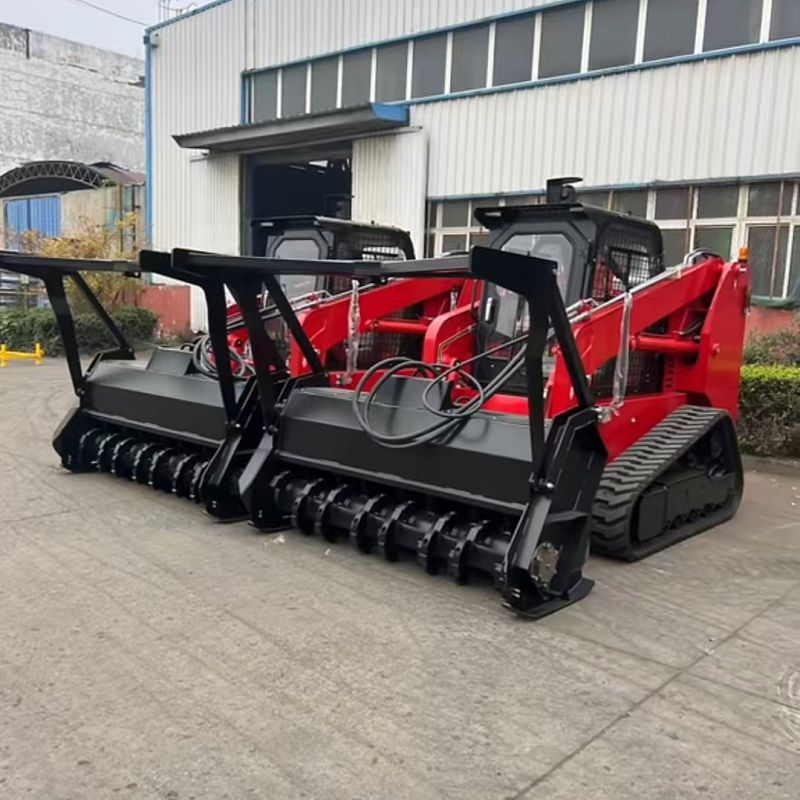
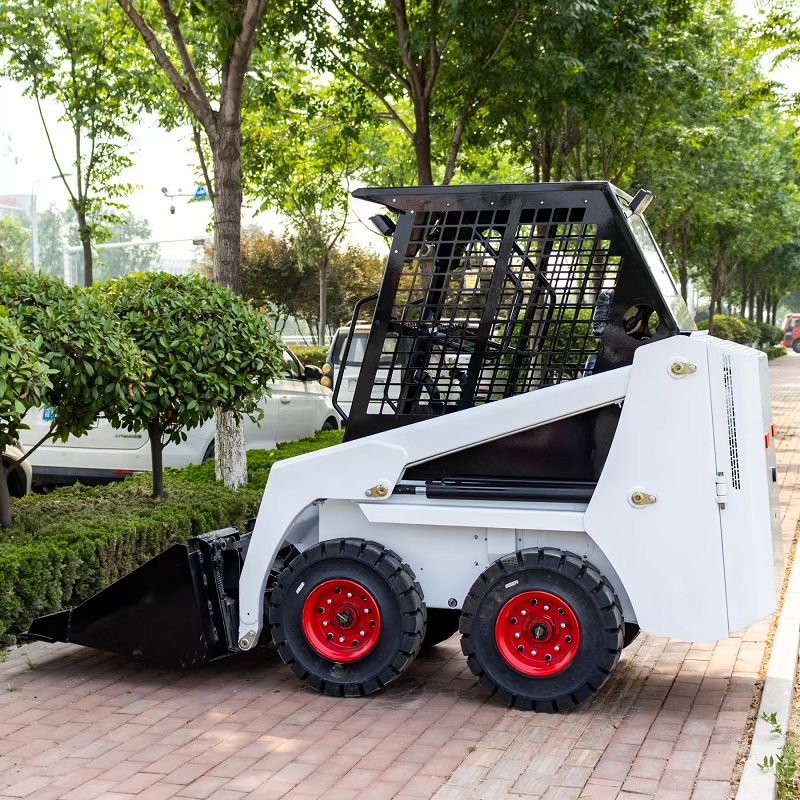
![Little Skid Steer]() Little Skid SteerThe Fiester compact skid loader excels in complex operations such as narrow construction sites, municipal maintenance, landscaping projects, and material handling—where traditional large equipment...
-
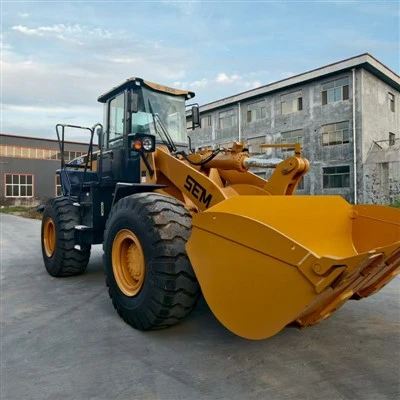
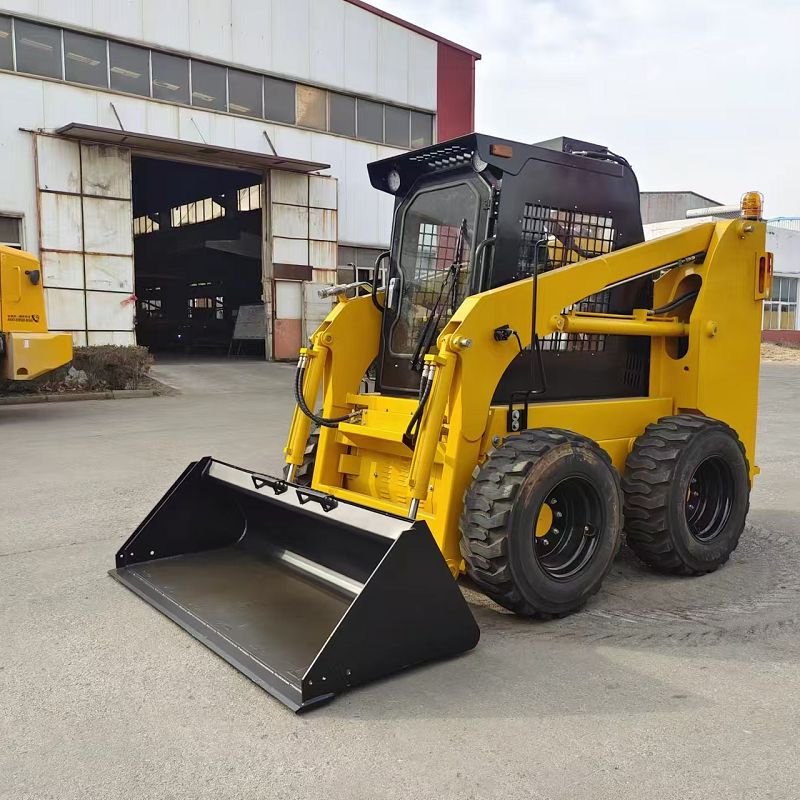
![4WD Skid Steer Loader]() 4WD Skid Steer LoaderShandong Feister Machinery specializes in construction machinery manufacturing. Its four-wheel-drive slip loader is a versatile equipment engineered for complex and demanding operating conditions,...
-
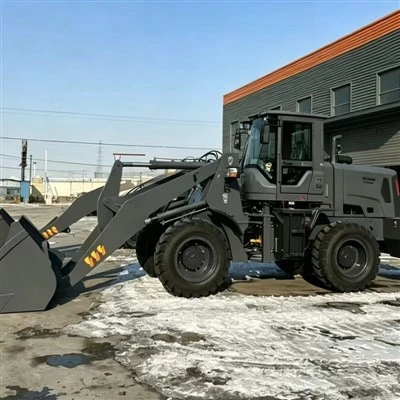
![Orchard Farm Skid Steer Loader]() Orchard Farm Skid Steer LoaderThe Fister Orchard Agricultural Sliding loader is a multifunctional equipment specially designed by Shandong Fister Machinery for confined spaces such as orchards, vineyards, and farm greenhouses,...
-
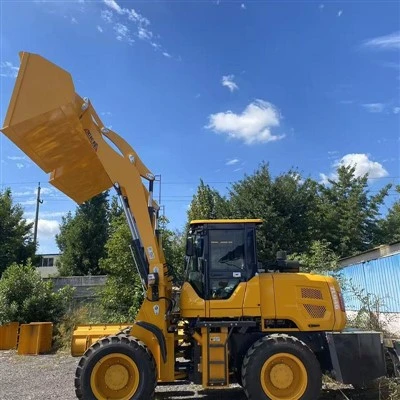
![Mini Skidsteer Loader]() Mini Skidsteer LoaderThe Fiste Mini Sliding loader is a compact, multi-functional equipment developed by Shandong Fiste Machinery specifically for confined spaces, low-altitude operations, and precision tasks....
-
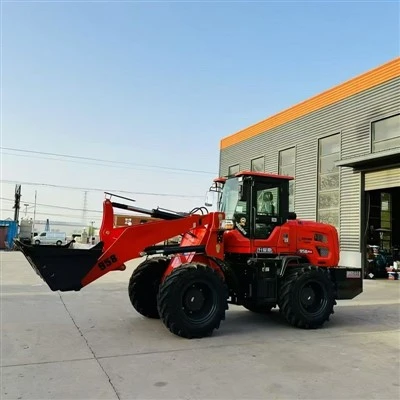
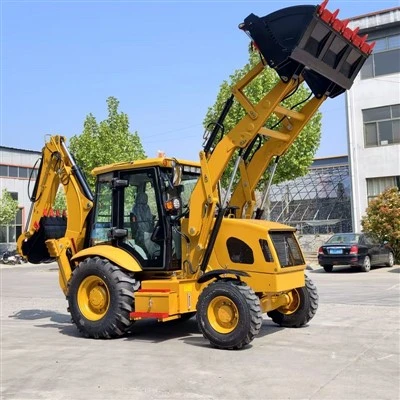
![Construction Skid Steer Loader]() Construction Skid Steer LoaderThe Fiste Engineering Sliding loader is a heavy-duty, multi-functional equipment developed by Shandong Fiste Machinery specifically for construction sites, municipal maintenance, interior...


Core Technical Specifications
|
Performance Parameter |
Engineering Specification / Configuration |
|
Max. Load Capacity |
Up to 2000 kg (Configurable to project requirements) |
|
Cycle Time |
45 - 60 seconds per load (Dependent on stroke length and payload) |
|
Platform Transfer Stroke |
Up to 6000 mm (Customizable based on container length) |
|
Push / Pull Force |
Adjustable up to 18 kN |
|
Operating Voltage |
380V / 415V, 3-phase, 50/60Hz (Configurable to site utilities) |
|
Hydraulic Working Pressure |
14 - 16 MPa |
|
Control Architecture |
Siemens S7-1200 or Allen-Bradley Micro850 PLC with HMI touch panel |
|
Chassis Structural Material |
Q355B structural carbon steel (Optional: Grade 304 Stainless Steel) |
|
Positioning Repeatability |
±2 mm (Verified by linear encoder feedback) |
|
Electrical Enclosure Protection |
IP65 / NEMA 4X rated steel cabinet |
Mechanical Components & Control Architecture
Hydraulic Power Unit (HPU): Powered by high-displacement gear pumps and proportional pressure control valves, equipped with integrated oil temperature monitoring to maintain consistent clamping and pushing force across multi-shift operations without thermal degradation.
Gripper Jaw Mechanism: Heavy-duty dual-action hydraulic clamping bars integrated with vulcanized polyurethane grip pads. This configuration distributes clamping force uniformly across the slip sheet tab, preventing material tearing when handling heavy, flexible woven bags.
Conveyor Transfer Deck: Powered roller beds or modular chain conveyors embedded with photoelectric sensors for precise load positioning, centering, and staging verification prior to transfer.
Guidance & Linear Drive: Driven by industrial timing belts or rack-and-pinion systems coupled with AC servomotors and optical encoders, maintaining linear positioning repeatability within ±2 mm.
Electrical Control Enclosure: NEMA 4X / IP65 rated steel cabinet housing industrial safety relays, variable frequency drives (VFDs), and terminal blocks engineered in compliance with ISO/IEC machinery safety directives.

Manufacturing Integrity & Quality Verification
Sheet Metal Fabrication
Structural steel plates are processed via Trumpf CNC fiber laser cutting systems, ensuring dimensional cutting tolerances within ±0.1 mm to guarantee absolute frame squareness.
Welding Quality Standards
All structural load-bearing frames are welded by certified technicians in strict accordance with ISO 3834 and AWS D1.1 standards, followed by post-weld stress relief annealing to eliminate residual thermal distortion.
Surface Preparation & Coating
Fabricated components undergo automated abrasive blasting achieving an Sa 2.5 surface cleanliness profile, followed by a dual-layer epoxy primer and polyurethane powder coat cured at 200°C for maximum chemical and corrosion resistance.
Factory Acceptance Testing (FAT)
Prior to crating, every assembled unit undergoes a rigorous 72-hour continuous dry-run test and full-load simulation test under rated hydraulic pressure to verify sensor feedback accuracy and force repeatability.
Application Selection & Engineering Considerations
When evaluating this system for plant integration, engineering and procurement teams should verify the following parameters:
Load Dimensions & Overhang
Ensure unit load dimensions align with container interior clearances and that slip sheet tab dimensions match gripper jaw opening specifications.
Underside Friction Coefficient
Analyze the friction characteristics of the bottom layer (e.g., rough woven polypropylene bags versus smooth cartons) to determine required hydraulic push-pull clamping force.
Cycle Rate Synchronization
Match machine cycle rates with upstream palletizer output to eliminate line bottlenecks.
Facility Utility Requirements
Confirm available plant voltage, compressed air supply quality (filtered and dried to 40 µm), and concrete floor load-bearing capacity for stationary anchor bolting.
Frequently Asked Questions
As one of the most professional slip loader manufacturers and suppliers in China, we're featured by quality products and good service. Please rest assured to buy cheap slip loader made in China here and get quotation from our factory. Customized orders are welcome.
Little Skid Steer, slip loader, track slip loader