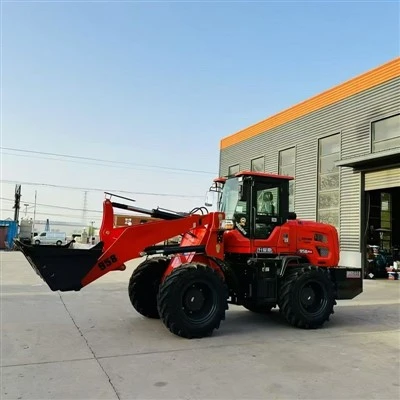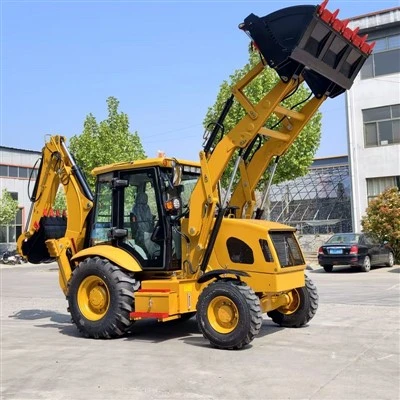
Product Overview
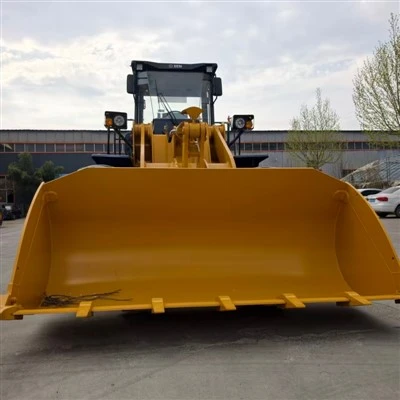
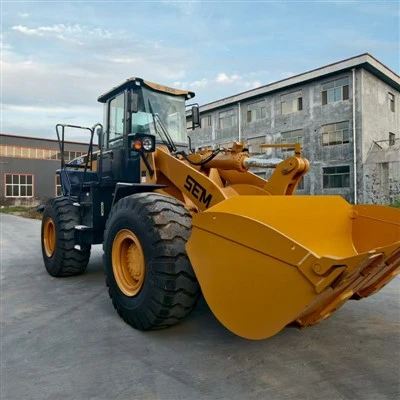
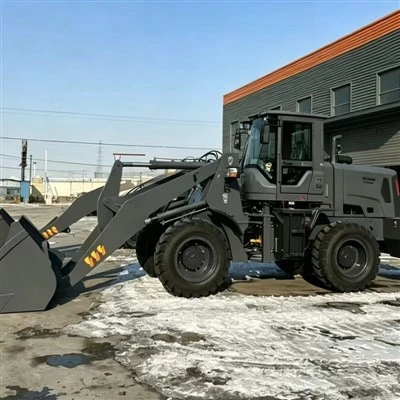
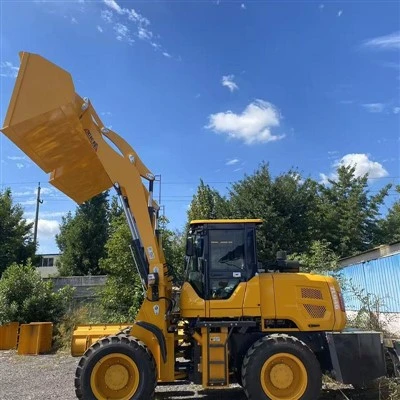
A hydraulic wheel excavator is a wheeled construction machine engineered for high-mobility excavation, utility trenching, road maintenance, site preparation, and material handling. Utilizing a heavy-duty planetary axle undercarriage rather than crawler tracks, the machine travels directly between job sites at speeds up to 35 km/h, eliminating low-bed trailer transport costs and transit downtime between urban locations.
-
![Tracked Excavator for Muddy Construction Site]() Tracked Excavator for Muddy Construction SiteSpecifically designed for muddy, swampy, soft-soil, and rainy-season construction sites, the Shandong Feister is meticulously engineered by its manufacturer.
-
![Municipal Emergency Repair Of Engineering Crawler Excavator]() Municipal Emergency Repair Of Engineering Crawler ExcavatorSpecifically designed for urban emergency repairs and municipal engineering projects, this equipment features a flexible and compact body, robust power, and swift mobility. It serves as an...
-
![Essential Construction Tools for Track Excavator Engineering]() Essential Construction Tools for Track Excavator EngineeringThe Fiste crawler excavator is an essential tool for various construction projects, suitable for all scenarios including municipal emergency repairs, earth excavation, infrastructure development,...
-
![Operation Of Small Tracked Excavator in Narrow Space]() Operation Of Small Tracked Excavator in Narrow SpaceThe Fiste compact crawler excavator is specifically engineered for confined space operations, serving as an essential construction tool for, indoor, residential community, and narrow alley...
-
![Agricultural Crawler Excavator]() Agricultural Crawler ExcavatorThe Fiste Agricultural Crawler Excavator is the essential choice for agricultural construction. With its compact size, agility, protection of farmland, and high efficiency and durability, it...


Technical Specifications & Engineering Documentation
|
Technical Parameter |
Specification Range |
Confirmation Notes |
|
Operating Weight |
13,500 kg - 18,200 kg |
Confirm by model and equipment configuration |
|
Engine Type |
Turbocharged direct-injection diesel |
Confirm manufacturer and specific engine model |
|
Rated Engine Power |
110 kW - 129 kW @ 2,200 RPM |
Confirm rated power and corresponding engine speed |
|
Bucket Capacity |
0.45 m³ - 0.85 m³ |
Confirm available bucket options and widths |
|
Max Digging Depth |
4,500 mm - 5,600 mm |
Confirm by boom and arm configuration |
|
Max Digging Reach |
8,200 mm - 9,100 mm |
Confirm operating geometry by model |
|
Hydraulic Pump Configuration |
Dual variable-displacement axial piston pumps |
Confirm pump type, brand, and quantity |
|
Maximum Hydraulic Flow |
Up to 2 × 150 L/min |
Confirm rated versus maximum flow rates |
|
Main Hydraulic Pressure |
34.3 MPa |
Confirm model-specific main relief setting |
|
Transmission Type |
Powershift transmission |
Confirm transmission type and road-travel functions |
|
Axles and Steering |
Heavy-duty planetary axle configuration |
Confirm axle design, steering system, and brake type |
|
Fuel Tank Capacity |
240 Liters |
Confirm by model and chassis size |
|
DEF Tank Capacity |
25 Liters |
Confirm engine emissions configuration |
Working Applications & Fleet Selection Considerations
Municipal Utility Construction: Water, gas, drainage, and telecommunications trenching projects. Bucket dimensions, digging depth, machine width, and stabilizer configuration must be evaluated against site access and excavation requirements.
Road Maintenance & Site Preparation: Roadside excavation, shoulder maintenance, surface-material removal, and loading excavated materials. Attachment selection and machine operating dimensions should match the work area.
Material Handling: For suitable machine configurations, attachments such as hydraulic grapples or thumbs may be utilized for handling loose materials, construction debris, and recyclable materials, provided auxiliary hydraulics are compatible.
Operating Weight and Digging Range: Choose operating weight and working equipment according to required digging depth, reach, lifting requirements, ground conditions, and available working space. Compare model-specific operating diagrams rather than relying on series-level ranges alone.
Auxiliary Hydraulic Circuits: Identify required attachments prior to ordering. Hydraulic breakers, grapples, shears, and tiltrotators require specific combinations of flow, pressure, return-line arrangements, and control functions. Confirm compatibility with both machine and attachment manufacturers.
Stabilizers and Dozer Blade: Stabilizer arrangements and blade configurations depend on site conditions, leveling requirements, and intended work. Confirm available combinations and their effect on machine operating dimensions.
Tires and Ground Conditions: Tire selection should reflect the intended working surface, load requirements, and travel conditions. Confirm available tire types (pneumatic, solid, or flotation) for the selected model.
Transport and Road Use: Maximum travel speed alone does not establish legal eligibility for public-road use. Confirm machine dimensions, weight, braking equipment, lighting, registration requirements, and local destination-market regulations.
Manufacturing Integrity & Quality Control
Manufacturing and inspection procedures reflect the actual processes utilized for the selected wheel excavator model.
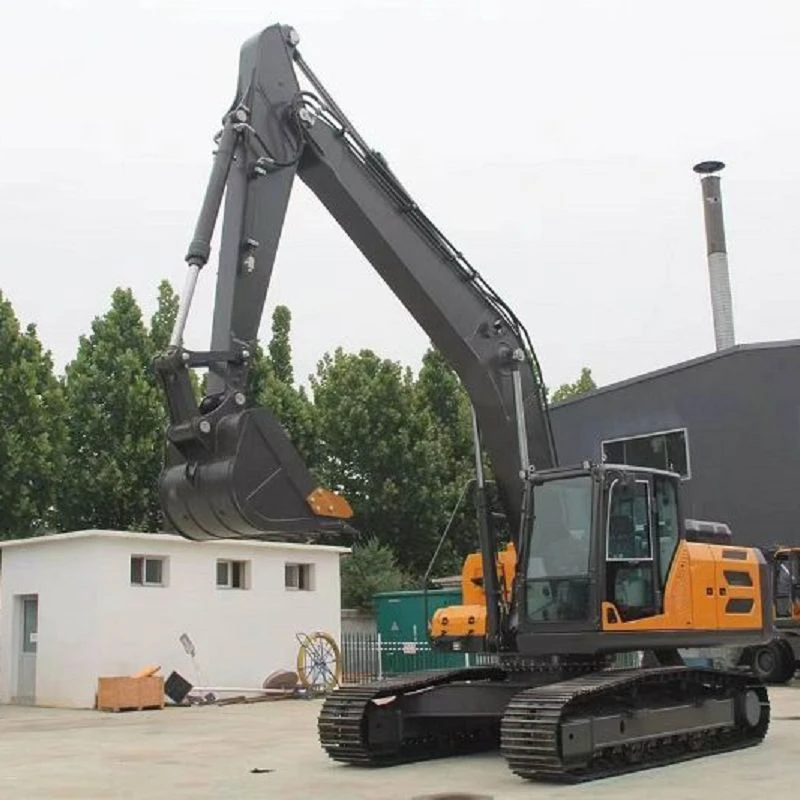
Structural Fabrication & Welding
Main frames, booms, and arms utilize documented material specifications (such as high-strength structural steel) processed via high-precision cutting. Load-bearing structures are welded in accordance with recognized structural welding standards, with critical stress joints subjected to non-destructive testing (NDT) where specified.
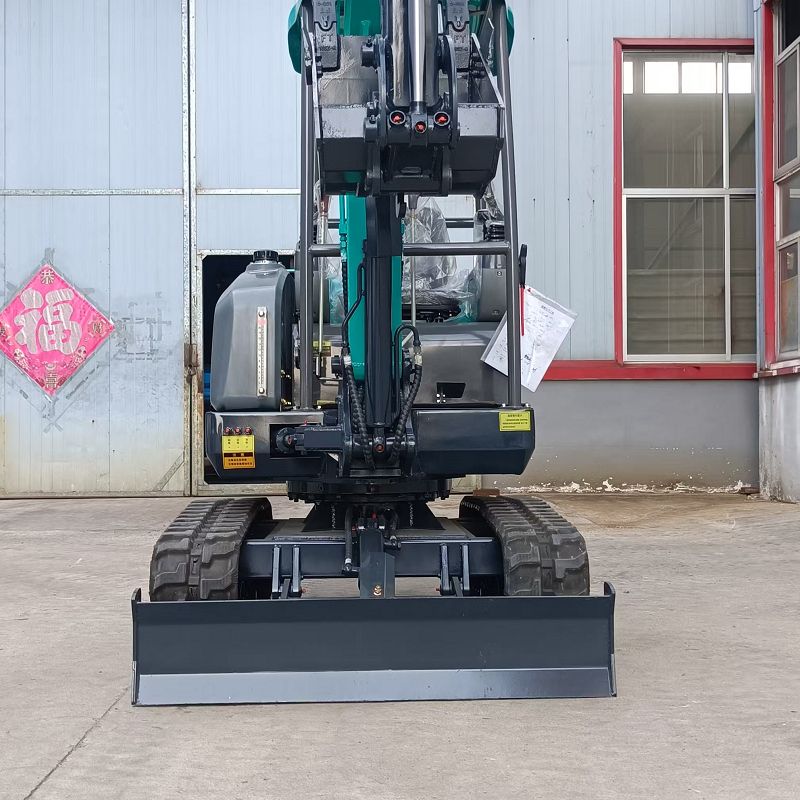
Component Assembly & Hydraulic Inspection
Quality control items include hydraulic connections, hose routing, component installation, control functions, and system operation. Actual inspection scope and acceptance criteria are verified during assembly.

Surface Treatment & Coating
Surface preparation and coating specifications follow standardized industrial workflows, incorporating metal surface pre-treatment, primer application, and durable topcoats resistant to environmental exposure and hydraulic fluids.
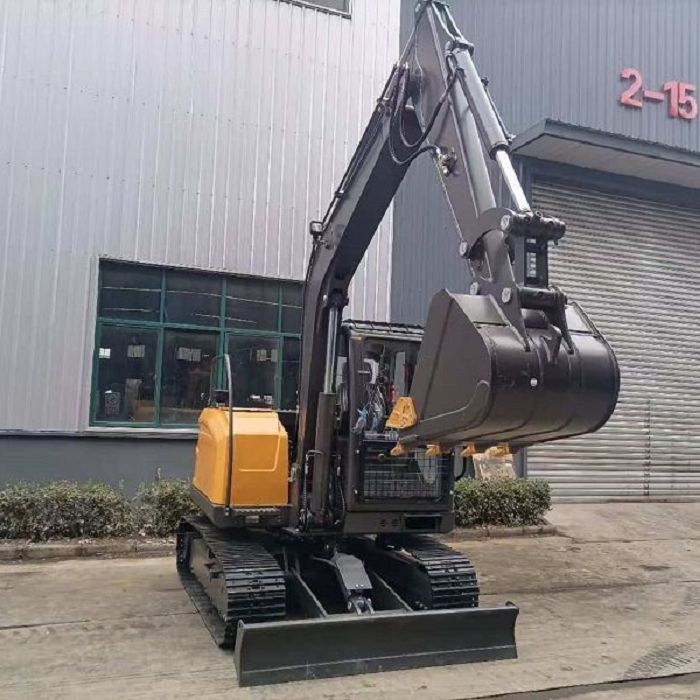
Final Functional Inspection
Prior to shipment, completed units undergo factory functional verification, which may include engine operation, hydraulic response, steering, braking, travel functions, and control calibration where applicable.
Emissions, Safety and Market Compliance
Engine emissions requirements, machine conformity, and operator protection are critical compliance considerations. Requirements vary by model, engine configuration, destination market, and intended operation.
Prior to order placement, buyers should verify:
Engine Emissions
Engine manufacturer, model, rated power, and applicable emissions certification (e.g., EPA Tier 4 Final / EU Stage V) for the destination market.
Machine Conformity
Applicable conformity assessment and documentation required for import and operation in the intended jurisdiction.
Operator Protection
Availability of documented ROPS/FOPS operator protective structures and compliance with applicable safety standards for the selected cab configuration.
Public-Road Use
Local statutory requirements regarding vehicle registration, lighting, braking systems, dimensional limits, and road transit regulations.
Lifecycle Support, Warranty and Spare Parts Availability
Warranty Coverage
Standard warranty terms cover major structural components, the engine core, main hydraulic pumps, and drive axles for a defined period or operating-hour limit (whichever occurs first). Exact terms, exclusions, and claim procedures are detailed in the commercial contract.
Spare Parts Fulfillment
A comprehensive inventory of routine maintenance filters, hydraulic seal kits, and wear components is maintained to support field operations. Critical replacement parts are prioritized for rapid dispatch to minimize equipment downtime.
Technical Documentation
Each machine is supplied with complete English-language technical documentation, including operator manuals, parts catalogs, electrical schematics, hydraulic circuit diagrams, and recommended maintenance schedules.
Frequently Asked Questions
As one of the most professional crawler excavator manufacturers and suppliers in China, we're featured by quality products and good service. Please rest assured to buy cheap crawler excavator made in China here and get quotation from our factory. Customized orders are welcome.
crawler excavator, Municipal Emergency Repair Of Engineering Crawler Excavator, Tracked Excavator For Muddy Construction Site