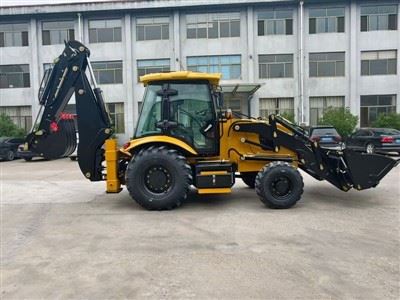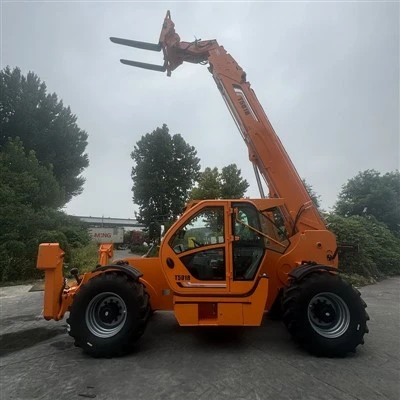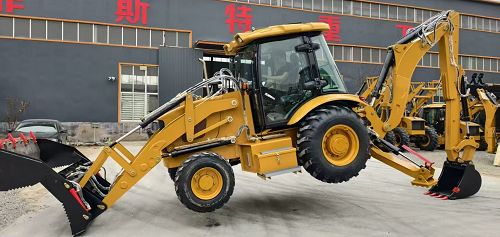
Wheel loaders are transitioning from low-level, low-quality, low-price, and functionally-oriented models to high-level, high-quality, mid-price, and economically practical models. They are transitioning from imitation to independent development, with major manufacturers continuously investing in technology, adopting different technical routes, and innovating in key components and systems. This has allowed them to break free from the current situation of similar product designs and lack of unique features and advantages, emerging from the vicious cycle of low-level, disorderly competition and becoming leaders in the loader industry.
(1) The development of large and small wheel loaders is limited by objective conditions and total market demand. The pace of updates for medium-sized loaders, where competition is most intense, will accelerate.
(2) Based on the actual situation of each manufacturer, overall design is being re-implemented, performance indicators are being optimized, and the strength and rigidity of structural components are being strengthened, significantly improving the overall reliability of the machine.
(3) The system structure is being refined. This includes aspects such as vibration reduction in the power system, structural optimization of the cooling system, optimization of the performance indicators of the working device, dust prevention at each hinge point, and industrial styling design. (4) Utilize electronic and load sensing technologies to achieve automatic gear shifting in the transmission and the application of hydraulic variable displacement systems, improving efficiency, saving energy, and reducing loader operating costs.
(5) Improve safety and comfort. The cab will gradually incorporate FOPS & ROPS functions, and the cab environment will become more like that of a car, with adjustable steering wheels, seats, and control levers to ensure the operator is in a comfortable working position.
(6) Reduce noise and emissions, and strengthen environmental protection standards. With increasing environmental awareness, reducing loader noise and emissions has become urgent. Many large cities have already established noise and emission standards for motor vehicles, and construction machinery that does not meet emission standards will be restricted from sale in those areas.
(7) Widely utilize new materials, processes, and technologies, especially mechatronics integration technology, to improve product lifespan and reliability.
(8) Simplify maintenance to the greatest extent possible, minimizing maintenance frequency and time, increasing maintenance space, widely adopting electronic monitoring and surveillance technologies, further improving fault diagnosis systems, and providing drivers with methods to troubleshoot problems.