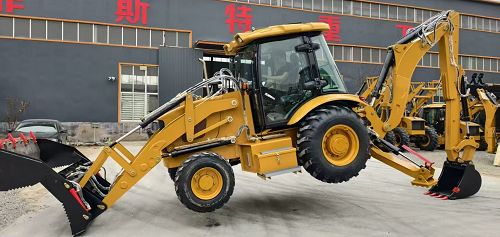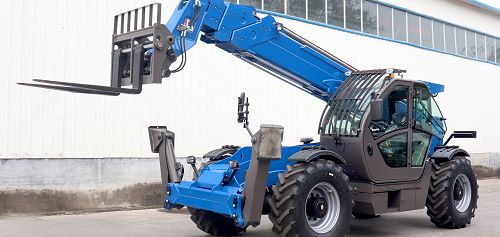
First-generation excavators: The advent of electric motors and internal combustion engines provided excavators with advanced and suitable electric actuators, leading to the development of various excavator products. The first electric excavator appeared in 1899. After World War I, diesel engines were also used in excavators; these diesel engine (or electric motor) driven mechanical excavators were the first generation of excavators.
Second-generation excavators: The widespread use of hydraulic technology provided excavators with more scientific and suitable transmission devices. Hydraulic transmission replacing mechanical transmission was a major leap forward in excavator technology. The first hydraulic excavator was born in Germany in 1950. The hydraulicization of mechanical transmission is the second generation of excavators.
Third-generation excavators: The widespread application of electronic technology, especially computer technology, gave excavators automated control systems, propelling them towards high performance, automation, and intelligence. The concept of mechatronics emerged around 1965, while its adoption in mass-produced hydraulic excavators began around 1985, primarily for energy conservation. The electrification of excavators is the hallmark of the third generation of excavators.